
custom logo mirrors
Accurate measurements are crucial in metalworking and engineering. From simple rulers to high-precision digital tools, the market offers a variety of measuring tools for sale that suit different industrial applications. These tools help ensure that materials are cut, shaped, and assembled with accuracy, contributing to the overall quality and functionality of a product. Selecting the right measuring tool depends on the required precision, the type of material being worked on, and the scale of the project. Common measuring tools include: Calipers : Ideal for precise internal and external measurements. Micrometers : Offer even finer accuracy for small-scale measurements. Tape Measures : Often used for larger, less precise measurements in initial stages. Digital gauges : Provide high accuracy and can be connected to software for data recording. Available Types: Manual calipers, micrometers, and digital versions. Digital and analog gauges. Laser and optical measurement tools for high-precision tasks. Engineering Measuring Tools for Precision Projects In the field of engineering, precision is paramount. Engineering measuring tools are designed to ensure that projects meet strict design tolerances. These tools are used for everything from assessing material dimensions to verifying alignment and ensuring the accuracy of mechanical components. Some key engineering measuring tools include: Vernier Calipers : Provide highly accurate measurements of internal, external, and depth dimensions, often used in mechanical engineering. Dial Indicators : Used to measure small distances or variations, often in alignment and deflection testing. Laser Measuring Tools : Offer highly accurate distance measurement for both large and small projects. Height Gauges : Used for vertical measurement and marking of workpieces, essential in precision engineering. For engineers, accuracy is the most critical factor when choosing tools. Many of these instruments come with calibration features or are sold with certified accuracy levels to ensure they meet industry standards. Common Tools: Vernier and digital calipers. Dial indicators and height gauges. Precision laser and optical measurement tools. Applications of Gauge Measurement Tools Gauge measurement tools are commonly used in both metalworking and engineering fields to measure various dimensions such as thickness, depth, height, and pressure. These gauges come in several types, each designed for specific applications. Examples of gauge measurement tools include: Feeler Gauges : Used to measure gap widths and clearance between parts, commonly applied in automotive repair and maintenance. Dial Gauges : Measure small linear distances with precision, typically used for alignment checks and precision machining. Thread Gauges : Determine the size, pitch, and diameter of screws and bolts. Pressure Gauges : Monitor fluid pressure in systems like HVAC or hydraulics. Each gauge serves a specific function, ensuring that critical measurements are within acceptable tolerances and that machinery, products, or components work correctly. Common Gauge Types: Feeler gauges for measuring gaps. Dial indicators for linear displacement. Pressure gauges for monitoring system pressures. Importance of Level Measurement Tools in Construction and Metalwork Level measurement tools are essential for ensuring horizontal or vertical alignment in construction, engineering, and metalworking. These tools help verify that surfaces, structures, or components are level and aligned correctly, which is vital for safety and performance. Some of the commonly used level measurement tools include: Spirit Levels : These traditional levels use a liquid-filled vial with an air bubble to determine if a surface is level or plumb. Laser Levels : Provide precise horizontal and vertical alignment using a laser beam, commonly used in construction, engineering, and carpentry. Inclinometers : Measure the angle of tilt or slope, often used in civil engineering and surveying. Digital Levels : Offer high precision and are equipped with digital displays for ease of use, especially in metalworking and construction. These tools ensure the correct positioning of machinery, workpieces, or structures, leading to improved accuracy and safety during construction or assembly. Popular Tools: Spirit levels for general use. Laser levels for large-scale projects. Digital inclinometers for precise angle measurement. Measuring Tools in Metal Work : Ensuring Accuracy and Quality Measuring tools in metal work are essential for maintaining the tight tolerances required in machining, fabrication, and manufacturing processes. Accurate measurements ensure that parts fit together as designed, maintain structural integrity, and function as intended in mechanical systems. In metalworking, precise measurements are required at every stage, from cutting raw materials to final assembly. Some key tools include: Micrometers : Provide precise measurements of small distances or thicknesses, often used in machine shops. Combination Squares : Used for measuring angles and marking straight edges during metal fabrication. Protractors : Ensure accurate angle measurements and cuts, particularly in sheet metal work. Depth Gauges : Used to measure the depth of holes or slots in metal workpieces. These tools allow metalworkers to achieve the precise cuts, shapes, and dimensions necessary for high-quality metal components. Digital versions of these tools are becoming increasingly popular for their ease of use and enhanced precision. Commonly Used Tools: Micrometers for precision measurement. Protractors for angle measurement. Combination squares for marking and measuring edges. Whether you're an engineer, metalworker, or involved in construction, having the right measuring tools is essential for accuracy, precision, and quality in your projects. From gauge measurement tools for intricate measurements to level measurement tools ensuring proper alignment, the market offers a wide variety of engineering measuring tools that cater to diverse applications. Explore the range of measuring tools for sale today to elevate your projects with professional-level precision.
about
custom logo mirrors
Different Types of Water Control Valves Water control valves are essential components in various piping systems, used to manage the flow and pressure of liquids in applications ranging from industrial processes to residential plumbing. Understanding the different types of water control valves is crucial for selecting the appropriate valve for a specific application. 1. Gate Valves Gate valves are primarily used for on/off control. They allow for full flow of water when fully opened and provide minimal resistance. However, they are not suitable for throttling applications since partially opened gate valves can cause turbulence and damage the seat. They are generally used in systems where the flow needs to be fully stopped or started. 2. Globe Valves Globe valves are designed for throttling flow. The internal design allows for better control of the flow rate, making them ideal for regulating water in pipelines. They have a higher pressure drop than gate valves due to their internal construction, but they provide excellent sealing capabilities and can effectively control flow in various applications. 3. Ball Valves Ball valves offer quick and reliable on/off control. They feature a spherical disc (the ball) that rotates to either allow or block flow. Ball valves are known for their durability and ability to seal tightly, making them an excellent choice for both residential and industrial applications. They can also be used in throttling applications, but not as effectively as globe valves. types of water control valves 4. Butterfly Valves Butterfly valves are compact and lightweight, making them suitable for larger pipe sizes and applications requiring space-saving solutions. They use a rotating disc to regulate flow, providing a quick shut-off and good throttling capabilities. Commonly found in water distribution systems and wastewater management, butterfly valves are valued for their efficiency and ease of operation. 5. Check Valves Check valves are non-return valves that allow water to flow in one direction only. They prevent backflow, protecting pumps and other systems from damage. Check valves come in various designs, such as swing, lift, and ball types, each tailored to specific applications and flow requirements. 6. Pressure Reducing Valves These valves are crucial for maintaining consistent pressure levels in a system. By reducing the incoming pressure of a fluid to a manageable level, pressure reducing valves protect downstream equipment, ensuring efficiency and longevity. Conclusion Selecting the right type of water control valve depends on the specific requirements of the system, including flow control, pressure management, and space considerations. Each type of valve has its unique advantages and appropriate use cases, and understanding these can lead to more effective system design and improved operational efficiency. Whether for residential plumbing or large-scale industrial use, the right valve can make all the difference in maintaining an efficient and reliable water control system.
-

High quality industrial productsagement

High quality industrial products
View Details -

Meet the diverse needs of customers

Meet the diverse needs of customers
View Details -

Strict quality control

Strict quality control
View Details -

Top raw materials

Top raw materials
View Details -

Trusted supplier

Trusted supplier
View Details
Our application


news and information
Válvula de mariposa de 1200 mm para aplicaciones industriales y de control de flujo
Válvula de Mariposa de 1200 mm Eficiencia y Aplicaciones en la Industria La válvula de mariposa es u

valve factory
Located at the very heart of industrial innovation, valve factories have become pivotal in shaping t
welding table
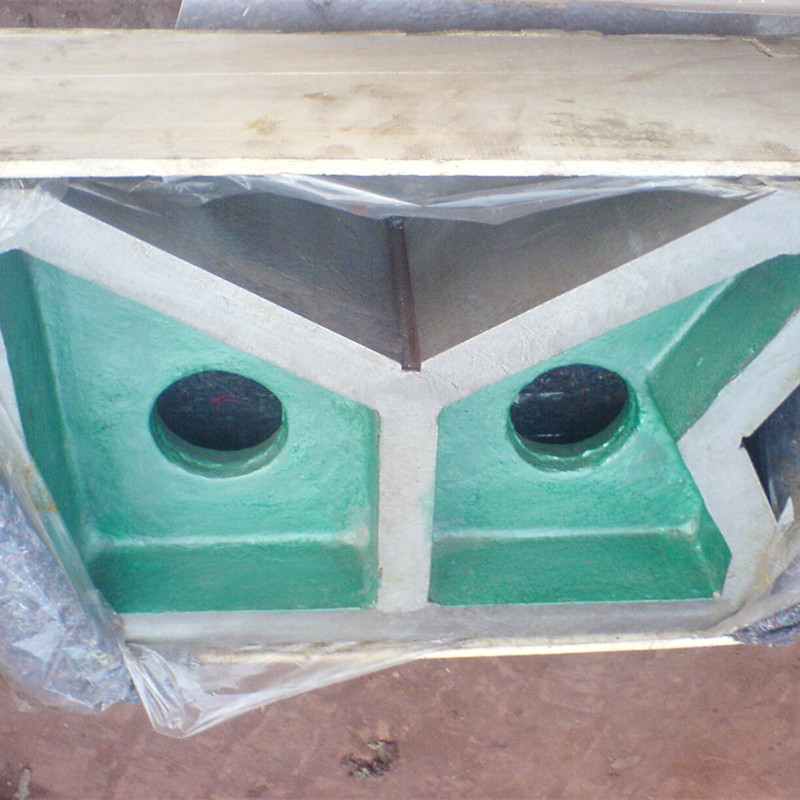
The Importance of Welding Tables in Metal Fabrication Welding plays a crucial role in various indust
 English